When you are formulating a coating for a chemical storage tank or a high-traffic industrial floor, there is no room for error. We have all seen it: a standard epoxy system that looks great for a month, only to blister and fail when exposed to aggressive acids or solvents. It is a nightmare for the facility manager and a reputation killer for the formulator. This is where novolac resin steps in as the heavy lifter of the polymer world. Unlike general-purpose resins, novolac epoxies are engineered specifically to withstand the harshest environments, offering a level of chemical resistance and thermal stability that standard systems simply cannot match.
In this article, we are going to dive deep into the chemistry and practical applications of these powerhouses. We will explore why novolac epoxy resin is the go-to choice for corrosion protection, how its unique structure works, and why it is worth the investment for your most demanding projects. If you are tired of worrying about coating failures in extreme conditions, this guide is for you.
What distinguishing features make Novolac Epoxy different from Standard Epoxies?
To understand the power of novolac, we first need to look at the baseline. Most standard epoxies used in the industry are based on Bisphenol A (DGEBA). These are fantastic for general applications—they are versatile, easy to work with, and cost-effective. However, they have a limitation: their chemical structure usually allows for a functionality of about two. This means there are two reactive sites per molecule where the curing agent can attach.
Novolac epoxies, on the other hand, change the game completely. They are produced by reacting phenol with formaldehyde in the presence of an acid catalyst. This creates a phenolic novolac structure which is then epoxidized. The result? A molecule with a functionality ranging from 2.5 to over 6. This higher functionality is the secret sauce. When you cure a novolac epoxy system, you are creating a much tighter, more dense network.
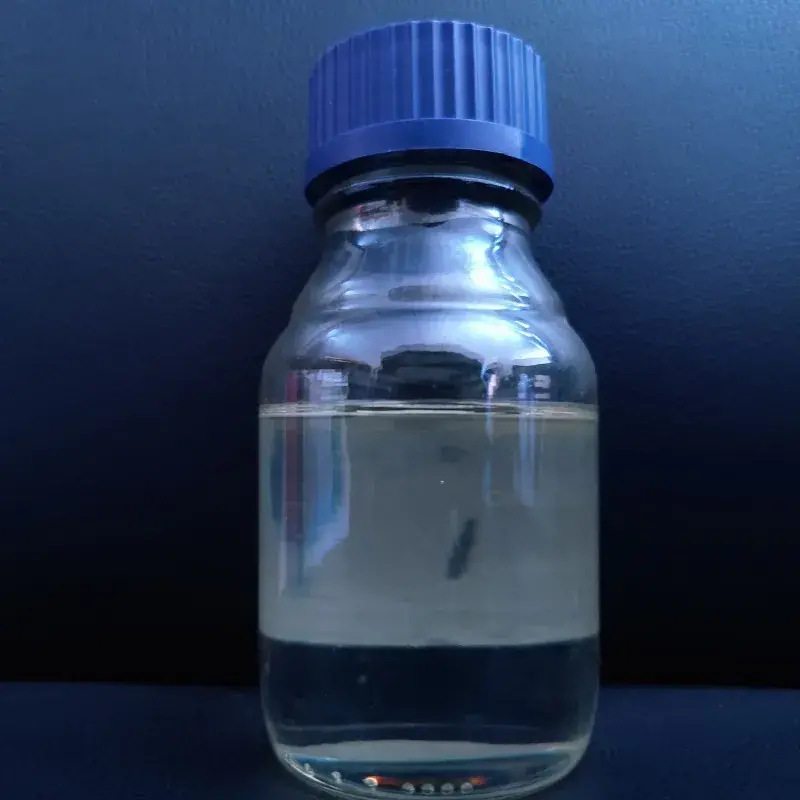
Think of a fishing net. A standard epoxy is like a net with large holes—great for catching big fish (general physical stress), but small things (chemicals) can slip through. A novolac resin creates a net with tiny, tight mesh. This high cross-link density makes it incredibly difficult for solvents or acids to penetrate the matrix. While standard epoxy resins are sufficient for a garage floor, they often falter in a chemical processing plant. The properties of novolac are specifically tuned to fill that gap.
How does the unique chemical structure of Novolac Resin deliver exceptional chemical resistance?
The magic lies in the density. The chemical structure of a cured novolac system is incredibly rigid. Because of the multi-functional nature of the resin, when it reacts with a hardener, it forms a highly cross-linked 3D network. This structure acts as an impenetrable barrier against a wide range of aggressive chemicals.
I have seen lab results where novolac coatings were submerged in 98% sulfuric acid. Where other resins turned to mush within hours, the novolac held its ground. This is because the benzene rings in the phenolic backbone and the high density of cross-links leave very little free volume for chemical molecules to enter and disrupt the polymer chains.
"In the world of corrosion protection, cross-linking density is your best friend. The tighter the weave, the stronger the shield."
This superior chemical resistance extends to both oxidizing and non-oxidizing acids, aromatic solvents, and harsh caustics. For a formulator, this means you can specify a novolac epoxy resin for tank linings that hold fuels, solvents, or wastewater without sweating the longevity of the liner. It offers resistance compared to standard epoxies that is simply in a different league.
Why is increased heat resistance a critical advantage of Novolac systems?
Heat is the enemy of many polymers. As temperature rises, materials soften, lose strength, and eventually degrade. Increased heat resistance is a hallmark of novolac epoxies. The same high cross-link density that blocks chemicals also restricts the movement of the molecular chains when heated.
This results in a higher Glass Transition Temperature (Tg). The Tg is the point where a polymer transitions from a hard, glassy material to a soft, rubbery one. Standard epoxies might have a Tg around 50-60°C (ambient cure). However, a well-formulated novolac epoxy can achieve a Tg well over 100°C, and some specialized heat-cured systems go even higher.
This thermal stability is crucial for industrial applications where equipment might run hot, or where the coating is subjected to steam cleaning. If a coating softens, it becomes permeable. Once it is permeable, corrosion begins. By maintaining its rigidity at extreme temperatures, the novolac resin ensures that the physical barrier remains intact. This combination of chemical and thermal resistance is rare and valuable.
In which industrial applications of Novolac do we see the most value?
The industrial applications of novolac are vast, but they all share a common theme: protection. The most common use is in high-performance coatings for tank linings. Whether it is storage for crude oil, containment for acidic wastewater, or processing vessels in a pulp and paper mill, these resins are the first line of defense.
Another massive sector is epoxy flooring. In food and beverage plants, floors are constantly hit with hot water, sanitizing chemicals, and organic acids (like lactic acid from milk or citric acid from fruit). A standard floor would erode quickly. Novolac epoxies serve as a durable, seamless shield that protects the concrete substrate from being eaten away.
We also see these resins used heavily in the electronics industry. Because of their excellent electrical insulation and heat resistance, they are used in encapsulation and potting of components. Furthermore, in the composite world, novolac resins are used to make lightweight, heat-resistant parts for aerospace and automotive applications. The use of novolac resins is essentially a stamp of quality for heavy-duty industrial requirements.
How do Phenolic Novolac Resins compare to traditional ester resins in durability?
This is a common debate: Epoxy Novolac vs. Vinyl Ester. Both are excellent, but they function differently. An ester resin, specifically vinyl ester, is known for good acid resistance and fast curing. However, epoxy novolac resins generally offer better solvent resistance and superior adhesion to substrates like concrete and steel.
The durability of novolac comes from its backbone. The phenolic resin heritage provides a rigidity that esters sometimes lack. Furthermore, epoxies do not suffer from the same shrinkage issues as esters during the cure, which leads to less stress on the bond line and fewer micro-cracks.
While vinyl esters are great for certain oxidizing acids, novolac systems provide a broader spectrum of protection. If you are dealing with a cocktail of chemicals—say, a mix of solvents and acids in a waste pit—the novolac is often the safer, more robust choice. It is the reliable workhorse that doesn't crack under pressure.
What are the specific manufacturing processes used to produce high-purity Novolac Epoxy?
To make novolac resin of high quality, precise control is required. It starts with the reaction of phenol and formaldehyde. The ratio of these two ingredients is critical; we use an excess of phenol to ensure the formation of the novolac structure rather than a resol. This reaction happens under acidic conditions.
Once the phenolic polymer (the novolac prepolymer) is formed, it undergoes epichlorohydrin reaction. This is where the epoxy groups are attached to the phenolic hydroxyls. The manufacturing processes must be strictly monitored to control the molecular weight and the epoxy equivalent weight (EEW).
High-purity resins are essential. Impurities can lead to lower thermal properties or inconsistent curing. As a manufacturer, we focus heavily on removing ionic impurities and ensuring that the viscosity is consistent from batch to batch. Consistency in the resin ensures that when you receive a drum, it behaves exactly like the last one, allowing for a stable formulation process.
Can Novolac coatings provide cost savings despite a higher initial price point?
It is true: novolac resin costs more per pound than standard epoxy resins. However, smart procurement managers look at the total cost of ownership, not just the price tag on the drum. Cost savings with novolac come from longevity.
Imagine coating a secondary containment area.
- Scenario A: You use a cheap standard epoxy. It costs $5,000. Chemical spills occur. The coating blisters in 6 months. You have to shut down, blast the floor, and recoat. Total cost: $15,000 + downtime.
- Scenario B: You use a novolac epoxy system. It costs $8,000. It withstands the spills and lasts for 5 years. Total cost: $8,000.
The better chemical resistance means less maintenance, fewer repairs, and significantly less facility downtime. In industrial applications, downtime is often more expensive than the materials themselves. By investing in high-performance materials upfront, you are effectively buying insurance for your infrastructure.
What factors should formulators consider regarding the cure and formulation of Novolac systems?
Formulating with novolac requires a bit more finesse than working with standard Bisphenol A. First, viscosity is usually higher. This means you might need to use reactive diluents or heat the material to get it to flow and level properly. However, be careful with diluents, as adding too much can reduce the chemical resistance.
The choice of curing agent is also paramount. To unlock the full potential of the resin, you need a hardener that also possesses high functionality. Cycloaliphatic amines are a popular choice for their good color stability and cure properties. For extreme acid resistance, aromatic amines might be used, though they are less color-stable.
| Feature | Standard Bisphenol A | Novolac Epoxy |
|---|---|---|
| Functionality | ~2 | 2.5 - 6.0+ |
| Cross-link Density | Medium | Very High |
| Chemical Resistance | Good | Exceptional |
| Heat Resistance | Moderate | High |
| Viscosity | Lower | Higher |
Additionally, because of the high reactivity and functionality, the cure exotherm can be intense. If you are mixing large batches, the pot life will be shorter than what you are used to with standard epoxies. Formulators need to adjust their accelerator packages to ensure enough working time without sacrificing the final cross-link density.
How does Novolac Epoxy flooring withstand aggressive chemical exposure in facilities?
Epoxy flooring in industrial settings takes a beating. In a battery manufacturing plant, for example, sulfuric acid is a constant threat. A novolac coating acts as a sacrificial barrier, but a very tough one. When strong acids hit the floor, the unique chemical structure of the novolac prevents the acid from reacting with the polymer backbone.
I recall a project in a chemical processing facility where the concrete was practically disintegrating due to acid vapor. We recommended a trowel-down mortar system using novolac resin. Years later, that floor is still pristine. The key is the chemical stability.
It is not just about acids, either. In automotive shops, brake fluid and hydraulic oils can soften standard coatings. A novolac epoxy resin remains hard and impermeable. For any facility manager dealing with corrosive chemicals, upgrading to a novolac system is often the only viable long-term solution.
What innovations in resin formulations are shaping the future of high-performance coatings?
The industry isn't standing still. We are seeing exciting innovations in resin formulations. One major trend is the move towards lower viscosity novolacs that require less solvent, pushing towards safer, low-VOC systems. This makes application easier without sacrificing performance.
There is also work being done on toughened novolacs. Traditionally, high cross-linking means the material can be brittle. New modifiers are being developed to add flexibility to the novolac epoxies without ruining their chemical resistance. This is a game-changer for applications where thermal cycling might cause cracking.
Furthermore, specialized variations like Phosphorus-containing epoxy resins are gaining traction for applications requiring flame retardancy alongside durability. This convergence of safety and performance is where the future lies.
Conclusion
In the demanding world of industrial protection, novolac epoxy resin stands out as the ultimate defender. Its high functionality, dense cross-linking, and robust phenolic backbone provide superior chemical and thermal resistance that standard epoxy resins simply cannot touch.
Whether you are formulating a tank lining to hold sulfuric acid or a floor for a food processing plant, choosing the right type of epoxy is the difference between a job well done and a costly failure. While the initial investment might be higher, the cost savings in reduced maintenance and extended service life are undeniable.
At TERVAN, we understand that consistency is key. We specialize in producing high-purity novolac resins that give you the confidence to tackle your most challenging projects. Whether you need a standard Bisphenol A epoxy resin for general use or a specialized high-performance Novolac Epoxy Resin for extreme environments, we have the chemistry to back you up.
Key Takeaways:
- Higher Functionality: Novolac epoxies have more reactive sites (2.5+) than standard epoxies, leading to a tighter network.
- Chemical Fortress: The dense cross-linking provides exceptional resistance to acids, solvents, and corrosive chemicals.
- Heat Handling: Enhanced thermal stability makes novolac ideal for high-temperature applications.
- Cost vs. Value: Higher upfront material costs are offset by long-term durability and reduced maintenance.
- Application Specific: Ideal for tank linings, containment areas, and harsh industrial flooring.
Post time: Jan-28-2026