Let's be completely real for a second. We all love a shiny, flawless surface. From massive industrial warehouses to weekend home improvement projects, everyone seems to want that perfect, glossy finish. Epoxy is highly praised everywhere you look. It is incredibly tough. It looks amazing. But what happens when things go wrong?
Understanding the advantages and disadvantages of these materials is a critical job for any project manager, facility owner, or formulator. If you only look at the good sides, you are setting yourself up for costly mistakes. A ruined batch of chemicals or a peeling floor is a nightmare. This article is worth your time because we are going to strip away the marketing fluff. We will look closely at the actual drawbacks of these popular systems. If you want to make the right choice for your next big project, you need to know exactly what you are getting into. Let's dive deep into the real story behind using epoxy.
Are the Advantages and Disadvantages of Epoxy Equal in Industrial Use?
When you step into a massive factory, you usually see a gleaming epoxy floor. It looks indestructible. Epoxy is famous for being incredibly robust. It can handle heavy forklifts, massive machinery, and constant foot traffic. But you have to ask yourself: are the benefits and drawbacks truly balanced?
In many ways, the major disadvantages of epoxy hide just beneath that tough exterior. Yes, the strength is impressive. A properly cured coating provides excellent chemical resistance against a spill or daily exposure. However, the exact rigid nature that makes it strong also makes it inflexible. If the concrete underneath shifts or settles, the epoxy cannot stretch.
This leads to an undeniable disadvantage. It will crack. When we look at the big picture of advantages and disadvantages, we have to remember that this material is a permanent commitment. It demands perfection during every step of the process. If you rush the job, the industry will teach you a very expensive lesson.
What Are the Disadvantages of Epoxy Resin When Exposed to Sunlight?
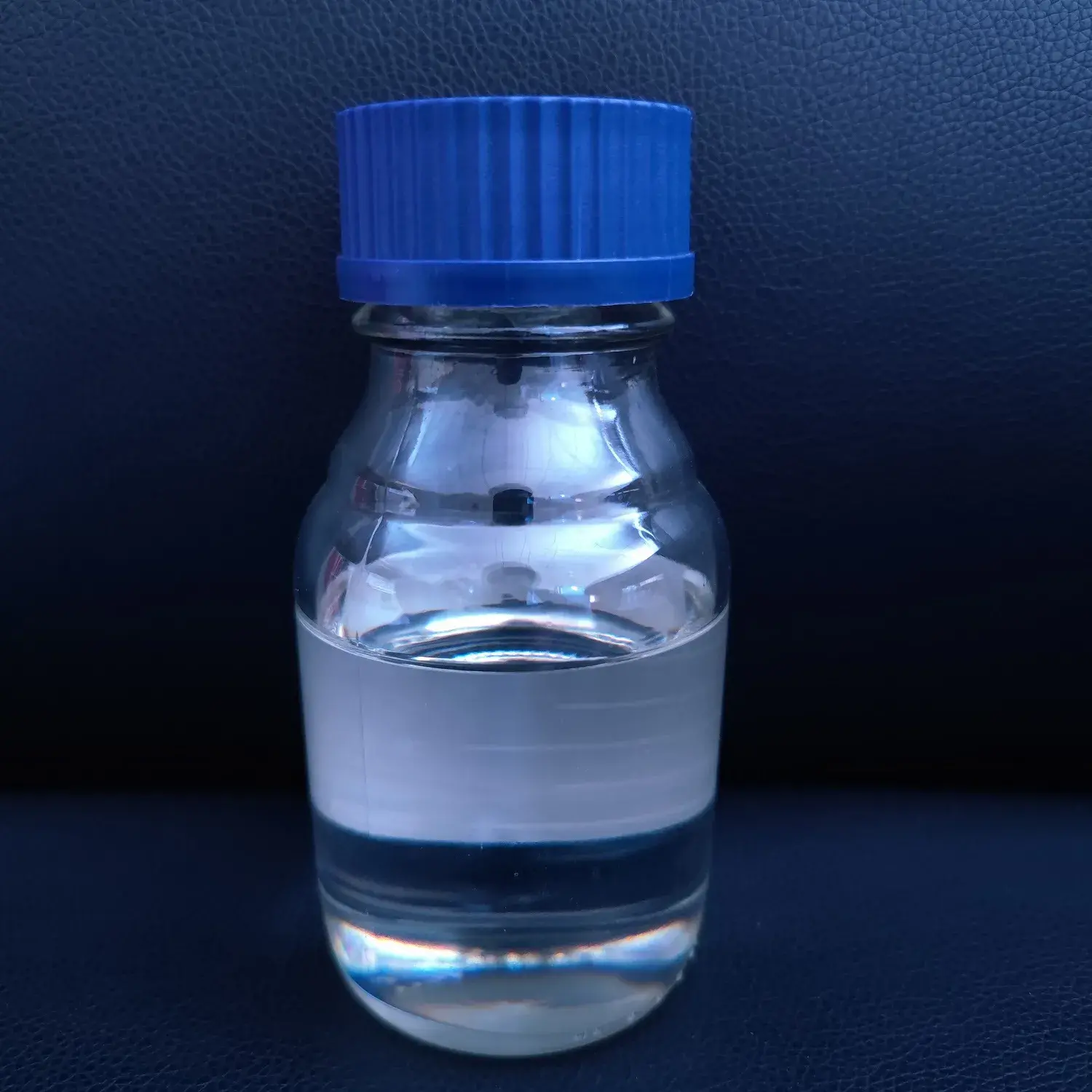
One of the biggest issues people face is sunlight exposure. Let me be clear: a standard formulation is highly sensitive to uv light. If you pour a beautiful, clear coating in a space with large windows, you are going to face a problem. Over time, the uv rays break down the polymer chains.
This causes the epoxy resin to turn yellow. That crystal-clear look? It fades into an ugly amber color. This is a massive drawback for anyone wanting long-lasting aesthetic appeal. The disadvantages of epoxy resin in outdoor settings or bright rooms are impossible to ignore. You can use standard Bisphenol A epoxy resin for many things, but it will not fight off the sun forever.
"A beautiful floor inside can become a yellow mess outside if you forget about the power of the sun."
To fix this, installers often have to add a topcoat of polyurethane. This means extra money, extra time, and extra labor. While the base layer is strong, its lack of uv resistance remains one of the most frustrating disadvantages of epoxy.
Why is Surface Preparation a Significant Disadvantage for an Epoxy Floor?
If you ask any professional about installing epoxy flooring, they will sigh. The surface preparation is brutal. You cannot simply sweep a floor and start painting. If you do, the entire project will fail. This is easily one of the most hated disadvantages of epoxy flooring.
First, you have to grind the concrete. You need heavy machines to rip off the top layer of the floor. This creates a massive amount of dust. It is loud, messy, and takes hours, sometimes days. The goal is to open the pores of the concrete so the resin can soak in and grab hold. If the adhesion is poor, the epoxy floor will peel off in large chunks within weeks.
Furthermore, moisture is your enemy. If the concrete holds too much water, the coating will blister. Testing for water vapor transmission is an absolute must. The sheer amount of labor required just to get the space ready is a huge limitation for anyone looking for a quick fix.
Do the Disadvantages of Epoxy Flooring Outweigh Its Decorative Appeal?
People love the appearance of epoxy. You can create a stunning metallic finish that looks like swirling ocean water. You can add colorful flakes for a fun garage look. The decorative options are truly endless. But creating that beauty is not easy.
When you mix a pigment into the batch, you change the chemistry. If your mix is even slightly off, the color will look patchy. Sometimes, adding an additive can mess up how the product cures. The disadvantages of epoxy flooring become very obvious when a homeowner tries a diy project and ends up with a sticky, ugly mess.
| Feature | Epoxy | Polyurethane | Ceramic Tile |
|---|---|---|---|
| Decorative Options | Very High | Medium | High |
| Installation Speed | Slow | Fast | Slow |
| UV Resistance | Low | High | High |
| Impact Resistance | Very High | High | Low |
While it is beautiful, achieving that perfect look requires serious skill. You have to combine the hardener and the resin perfectly. You have to roll it out evenly before it gets too hot and thick. The stunning appeal is real, but the stressful process to get there is a known disadvantage.
Is Sensitivity to Moisture One of the Hidden Disadvantages of Epoxy?
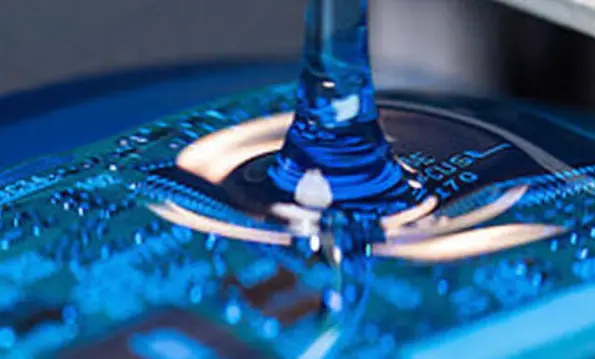
We talked about water in the concrete, but what about water in the air? High humidity is a silent killer for these products. When you are applying a DF170 Epoxy Resin, you need the environment to be controlled.
If the air is too damp, a thin, greasy film will form on the surface as it cures. This is called blushing. It completely ruins the glossy finish. It leaves the floor looking dull and feeling sticky. This sensitivity to the environment makes installation highly unpredictable.
If you get a blush on your coating, you cannot just paint over it. You have to wash it off, lightly sand the surface, and try again. This hidden disadvantage means that applying these products in basements or humid climates requires dehumidifiers and a lot of extra care.
How Does the Long Cure Time Become a Disadvantage in Fast-Paced Projects?
Time is money. In the commercial world, shutting down a space for a week is unacceptable. This brings us to another major issue. A standard epoxy floor takes a long time to dry and harden.
You mix the two parts. You apply the liquid. Then, you wait. You usually have to stay off the floor for at least 24 hours. But to reach its full chemical resistance and mechanical strength, it might need to cure for up to seven days. This downtime is a massive headache.
If a factory needs a new floor, halting production for a week costs thousands of dollars. The slow cure time forces many businesses to look for faster, more cost-effective alternatives. Even though the final result is durable, the waiting game is a severe disadvantage.
What Pro Tip Exists for Weighing the Pros and Cons of Epoxy Against Other Floors?
When weighing the pros and cons of epoxy, you must look at your specific needs. Here is a solid tip: never choose a flooring system based on looks alone. You need practical guidance.
If your main goal is a floor that is fast to install and won't yellow in the sun, polyaspartic might be a better choice. If you want something that handles extreme heat, a ceramic tile or a high-performance Novolac Epoxy Resin might be the right answer. Standard epoxy is not heat-resistant enough for commercial kitchens where boiling water hits the floor daily.
- Tip 1: Assess the daily temperature of the room.
- Tip 2: Check how much sunlight hits the floor.
- Tip 3: Calculate how much downtime your business can actually afford.
By comparing your flooring options honestly, you avoid buyer's remorse. You must match the material to the actual demands of the room.
Can Adding a Pigment Cause Unexpected Disadvantages in an Epoxy Formulation?
Making a custom floor sounds fun. You buy a basic kit, get some colors, and start mixing. But chemistry is strict. A manufacturer formulates their product to work perfectly as it is. When you start adding things, you change the rules.
If you add too much pigment, you weaken the polymer. The resin and hardener cannot link together properly. The floor might end up soft or rubbery. If you use a cheap color paste, it might not blend well, leaving streaks and spots.
Even adding anti-slip grit changes things. It makes the surface rough, which is great for safety. But it also makes the floor much harder to clean. Mops will tear on the rough texture. Dirt will get stuck in the bumps. Every time you personalize a formulation, you invite new challenges.
How Do We Balance the Durable Nature With the Advantages and Disadvantages of Epoxy?
We say it is strong, but how strong is too strong? A standard Bisphenol F Epoxy Resin cures into a very hard, rigid plastic. This is excellent for stopping a stain from a chemical spill. However, this extreme rigidity is a double-edged sword.
If you drop a heavy steel wrench on a normal concrete floor, the concrete might chip. If you drop it on an epoxy floor, the coating might shatter like glass. Because it has no flexibility, sudden, sharp impacts cause serious damage.
Once a crack forms, the integrity of the whole system is at risk. Water and chemicals can seep under the coating and lift it up. To balance this, some installers add flexible membranes underneath, but again, that adds cost and time. The lack of flexibility remains a core disadvantage.
In Which Flooring Options Are the Disadvantages of Epoxy Resin Most Obvious?
Let's talk about the long-term reality. A fresh epoxy floor is super glossy and easy to clean. You can just wipe up a spill with a paper towel. But over time, that glossy finish takes a beating.
In a busy garage or a commercial shop, dirt and sand act like sandpaper under foot traffic. The surface gets tiny scratches. Slowly, the shiny floor becomes dull and cloudy. You lose that premium look.
Furthermore, maintenance becomes a chore. You cannot easily polish standard epoxy to bring the shine back like you can with natural stone. And when the time comes to upgrade or replace the floor? It is a nightmare. Removing old, cured resinepoxy is incredibly difficult. You have to grind it all off, breathing in dust and spending hours on the heavy labor.
If you want a truly sustainable and low-effort floor for the rest of your life, the disadvantages of epoxy flooring become very clear. It is a fantastic product, but it is not magic.
Summary of the Most Important Things to Remember
- Sunlight Sensitivity: Standard epoxies turn yellow when exposed to UV light, requiring extra topcoats for protection.
- Intense Preparation: You cannot skip grinding the concrete. Poor surface preparation guarantees failure.
- Moisture Issues: Both trapped water in concrete and high humidity in the air will ruin the curing process.
- Rigidity: While highly durable, epoxy is inflexible and can crack under sharp, heavy impacts or shifting foundations.
- Long Curing Times: Expect significant downtime. The floor may take several days to fully cure and handle traffic.
- Difficult to Remove: Once applied, changing your mind is costly and requires intense mechanical grinding to strip it away.
Post time: Jun-26-2026