Imagine walking into a massive factory. The floors shine like glass, the heavy machinery runs without shaking apart, and the building itself stands strong against time. What is the invisible force holding all this together? It is a liquid that turns into a rock-solid plastic. By understanding this incredible material, you unlock the secret to building things that last forever. Every strong structure, every durable paint, and every tough bond relies deeply on the specific liquid plastic chosen for the job. In this guide, we will explore why this material is so vital. We will see how it works, why it is so strong, and how you can use it to solve massive industrial problems.
What makes epoxy and epoxy resin so essential for modern manufacturing?
To understand the magic, we must look at the science. At its core, epoxy resins are a class of reactive prepolymers and polymers. These liquids contain special chemical rings known as epoxide groups. These rings are highly reactive. When they encounter the right chemical trigger, they snap open and link together. This creates a giant, tightly woven net. Because of this tight net, the material becomes a thermosetting plastic. That means once it gets hard, it cannot be melted down again. It is locked in its final shape forever.
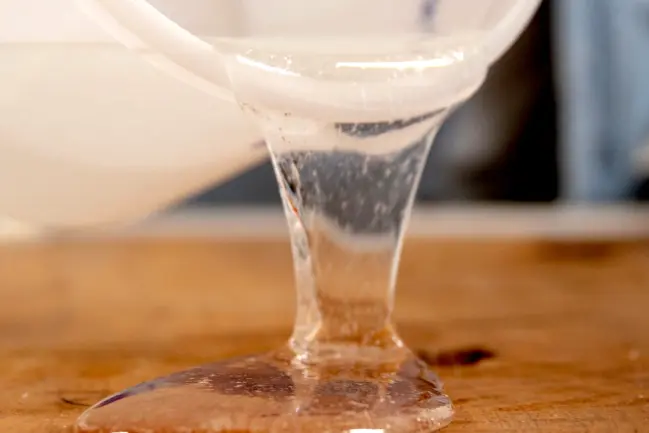
The basic building block, or monomer, is what gives the final polymer its shape and strength. You will find that uncured epoxy resins are usually thick, sticky liquids. They wait patiently in their drums until you are ready to work. People everywhere rely on this material. The epoxy resin used in a factory determines if a product will survive harsh weather or fall apart in days. The unique properties of epoxy resin—like its amazing strength and its ability to stick to almost anything—make it the ultimate tool for builders and engineers. It is widely known as epoxy in the trade, and it is the backbone of modern industry.
How do you choose the right types of epoxy for a specific coating or adhesive?
Walking into a supply room, you might see dozens of different drums. They all look similar, but they do completely different jobs. You must choose the right types of epoxy for your specific task. The most common starting point is a bisphenol base. A standard Bisphenol A epoxy resin is a fantastic all-around choice. It provides a great balance of cost, toughness, and easy handling. However, if you need something that flows better into tiny cracks, you might choose a different bisphenol type that is thinner and easier to pour.
"Choosing the wrong liquid plastic is like wearing winter boots to run a marathon. You might finish, but it will be ugly and painful."
When you need a heavy-duty coating, you want a high-performance epoxy. These are specially built to stop rust and block chemicals. On the other hand, if you are making an adhesive, you want a blend that gets extremely sticky and grips metal tightly. The epoxy you select changes everything. Some blends dry fast, some dry slow. Some flex like hard rubber, while others become as stiff as glass. You must match the liquid to the job to get the best possible result.
What happens when an epoxy system starts to cure?
The transformation from a messy liquid to a rock-solid shield is fascinating. To start this process, you need a chemical reaction. You take the base liquid and mix it with a hardener. When the resin and hardener are mixed together, things get exciting. The molecules crash into each other and start linking up. This linking process generates heat. We call this process a cure.
In a standard two-part epoxy, the cure time can vary wildly. Some mixtures cure in five minutes, while others take an entire week to fully cure. When you mix the base resin and polyamine hardener, you must work quickly. If you leave the mixed liquid sitting in a bucket, it will cure so fast that it might actually start smoking! The epoxy system is carefully balanced by chemists. Once the liquid becomes a cured epoxy, it achieves its final strength. The cure is the most critical stage. If the room is too cold, the cure will stall. If it is too hot, it will cure too fast and might shrink.
| Temperature | Cure Speed | Working Time |
|---|---|---|
| Cold (50°F) | Very Slow | Long |
| Room (72°F) | Normal | Moderate |
| Hot (90°F) | Very Fast | Short |
Can you rely on an epoxy adhesive as a primary structural adhesive?
When building an airplane or a fast car, you cannot afford weak parts. You might think you need heavy metal bolts to hold parts together. Surprisingly, a modern epoxy adhesive is often stronger than the metal itself! Because they provide such strong adhesion, these glues act as primary engineering adhesives. They are so tough that they can completely replace a traditional metal weld.
A true structural adhesive must handle massive stress. It must have high tensile strength, meaning it resists being pulled apart. It also needs good flexural strength, meaning it can bend slightly without snapping. When a heavy machine vibrates, a rigid glue might snap. However, epoxy adhesives can be used to absorb that shock. They prevent a dangerous crack from forming in the metal. The epoxy holds the parts tight, spreading the heavy load evenly across the entire surface. This is why airplanes use so much epoxy resin to hold their wings together.
Why is an epoxy coating preferred over traditional paints for a factory floor?
Look down at the floor of a busy warehouse. Forklifts drive over it all day, dragging heavy wooden pallets. If you paint that floor with standard acrylic paint, it will peel off in one week. An epoxy paint might last a little longer, but it will eventually fail too. This is why smart managers use a thick epoxy floor coating. It is completely different from regular paint.
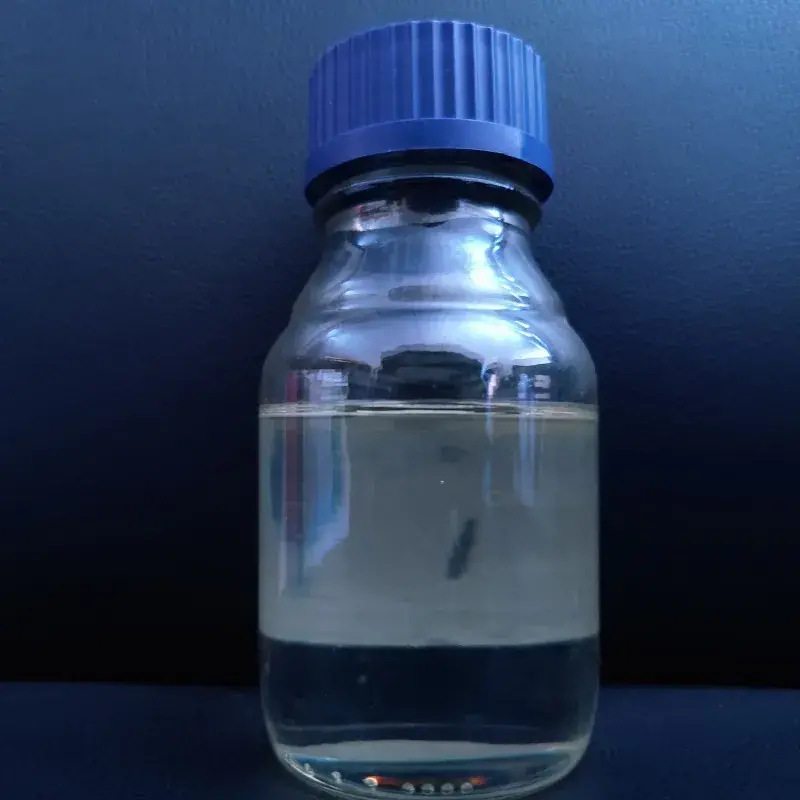
An epoxy coating creates a thick, hard plastic shield over the concrete substrate. This epoxy layer provides amazing defense against heavy abrasion. The durability is unmatched. When a worker drops a heavy steel wrench, the floor does not chip. More importantly, these heavy-duty epoxy resin coatings offer extreme chemical resistance. If a drum of battery acid leaks, the resistance to chemicals stops the acid from eating a hole in the concrete. The coating is highly durable and easy to wash, keeping the massive building safe and clean.
How is epoxy resin used to build a lightweight, durable composite?
In the race to make cars and planes faster, weight is the enemy. Engineers want parts that are as light as a feather but as strong as steel. They achieve this by building a composite. To make one, you take a dry cloth made of woven fibre—like carbon fibre or glass fibre—and soak it in liquid plastic. You layer the wet cloth like a sandwich to create a laminate.
To do this properly, you need an epoxy with low viscosity, meaning it is thin and watery. It must soak deep into every tiny thread of the fibre. The liquid acts as the glue, while the cloth acts as the reinforcement. The epoxy resin is used to lock the cloth rigidly in place. Once it hardens, the final part has incredible mechanical properties. The epoxy resins include toughness that prevents the part from shattering. This epoxy resin used in the automotive industry helps build supercars that weigh less than a small compact car but survive massive crashes.
Is a standard epoxy putty or epoxy glue completely waterproof?
When a pipe bursts in your basement, water sprays everywhere. You need a fast fix. People often grab an epoxy putty or a tube of epoxy glue to stop the leak. But will it hold the water back? Yes, when properly applied, these materials are fully waterproof. The cured plastic is highly resistant to moisture.
- Epoxy putty: You knead two clay-like sticks together. You smash it over the leak. It cures rock hard in minutes, even underwater!
- Epoxy glue: You squirt two liquids from a syringe, mix them with a stick, and smear it over a broken part.
These handy tools are excellent for waterproofing applications. If you have a deep crack in a plastic water tank, filling it with epoxy seals it tight. The dense plastic molecules do not allow water to pass through. This makes epoxy resin the perfect choice for building boats, fixing plumbing, and keeping the rain out of sensitive outdoor equipment.
What are the main challenges when using epoxy in commercial and industrial settings?
While this plastic is amazing, working with epoxy is not always easy. In large commercial and industrial jobs, things can get complicated quickly. The biggest challenge is the mess. If you spill the sticky liquid, it is incredibly hard to clean. You cannot just wipe it with water; you often need a strong chemical solvent to remove epoxy before it hardens. Once it hardens, the only way to remove it is by grinding it off with heavy diamond tools.
Safety is another huge factor. The raw liquids can cause nasty skin rashes. Workers must wear proper personal protective equipment, including heavy rubber gloves and safety glasses, when using epoxy. Furthermore, while the cured plastic is strong, standard blends can weaken if they get too hot. Achieving high heat resistance requires very special, expensive chemical blends. When a factory manager decides to use these materials, they must train their team carefully to avoid huge messes and safety hazards.
How do you properly mix epoxy to ensure optimal toughness and strength?
The secret to a perfect, unbreakable bond lies entirely in the mixing cup. If you do not mix epoxy correctly, it will never get fully hard. It will stay a sticky, gummy mess forever. To create epoxy that reaches its maximum strength, you must follow the rules exactly.
First, you must understand the ratio. Most kits are a two-part system. You might need to mix exactly two cups of resin for every one cup of hardener. If you guess the amounts, the chemical math fails, and the epoxy fails. You must stir the two-part epoxy slowly and scrape the sides of the bucket. If you whip it too fast, you trap thousands of tiny air bubbles inside, which weakens the final solid block.
Before you apply the liquid, the resin surface must be perfectly clean. If there is dust or oil on the metal or concrete, the liquid will stick to the dust, not the floor. Some factories use special one-part systems that only harden when baked in a giant oven, but standard two-part kits rely entirely on the worker to make epoxy correctly with a mixing stick.
What future innovations can we expect from epoxy resins in the industry?
The world of chemistry never stands still. Scientists are constantly inventing new ways to use this incredible material. Today, epoxy resin can be used in almost every factory on earth. Its common uses range from gluing tiny microchips to painting giant steel bridges. Epoxy resin possesses such amazing traits that it will only become more important as technology advances.
We are seeing huge growth in epoxy resin applications for green energy. Giant wind turbine blades rely on vast amounts of epoxy resin to stay light and strong in heavy storms. In the technology sector, the good chemical resistance protects delicate electronic components inside our smartphones and electric cars. We also see advanced Novolac Epoxy Resin systems that can survive being bathed in boiling acid!
These liquids are deeply used in a range of heavy construction applications, and epoxies can be used to rebuild old, crumbling concrete bridges without tearing them down. Because the resin is widely adaptable, new applications in various industries pop up every single year. The range of industries that depend on this chemistry is massive, from space travel to deep-sea exploration.
Conclusion: The Silent Hero of the Modern World
We have explored the incredible journey from a sticky liquid to an unbreakable shield. The epoxy resin used in our world quietly protects the floors we walk on, the cars we drive, and the tools we use every single day. By understanding how to mix, apply, and respect this powerful chemical, we can build structures that defy time and weather.
Here are the most important things to remember:
- Chemistry Matters: The tight molecular net creates a thermosetting plastic that refuses to melt or break easily.
- The Mix is Critical: You must measure and mix the resin and hardener exactly right, or the cure will fail completely.
- Unmatched Defense: Heavy-duty epoxy floor layers provide extreme durability and block harsh chemical spills effortlessly.
- Lightweight Strength: By soaking glass or carbon fibres, epoxy creates composites that are stronger than steel but light as a feather.
- Ultimate Adhesion: Epoxy acts as a powerful structural adhesive, replacing heavy metal welds and stopping cracks from spreading.
Post time: May-20-2026