Have you ever poured a beautiful, glossy layer of liquid polymer, only to realize it is permanently glued to your workbench? We have all been there. Pouring liquids is exciting, but cleaning up a glued mess is a nightmare. Knowing exactly what materials will stick to epoxy and what materials will easily release it is vital. If you want to know what makes epoxy resin not stick, you have to understand a little bit of chemistry. In this guide, we will explore exactly how to make resin not stick to your tools, tables, and molds, saving you hours of frustrating cleanup.
Why is understanding adhesion vital before using resin?
Let's talk about how materials connect. Understanding adhesion is the secret to mastering your work. An epoxy resin naturally wants to grab onto things. In fact, resin bonds very easily to many substrates in your workshop. It loves rough textures. But you will experience poor adhesion if you pour it onto a smooth and non-porous area.
This happens because the liquid needs microscopic valleys to sink into. Also, adhesion due to chemical bonding requires the right energy match. Wetting the surface properly depends on several factors, mostly dealing with how easily the liquid can spread out. A high-energy surface pulls the liquid flat. A low-energy surface makes the liquid bead up like water on a freshly waxed car. If you are casting a part, you desperately need a reliable barrier that prevents that strong bond from forming.
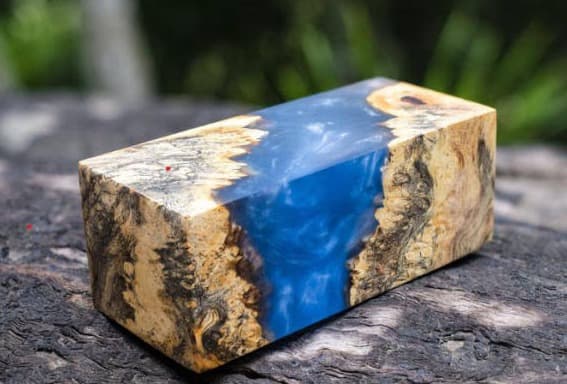
What types of plastic make resin not stick effectively?
There are many types of plastic out there, and they all behave differently. Some will form a strong permanent bond, but others reject the glue completely. Materials like polyethylene and polypropylene have a non-polar molecular structure. This unique molecular structure gives them a very low surface energy. Because of this, it is very difficult to bond to them.
In fact, this type of plastic also actively repels the sticky liquid. This makes a high-density polyethylene (HDPE) sheet a fantastic material to use when you need a reusable mixing board. You will consistently find that resin won't stick to these plastics. However, you must be careful with ABS plastic and polystyrene. These harder plastics will sometimes grab the glue if they are scuffed up. If you want a truly non-stick surface, stick to the softer, slicker plastics.
Why is silicone the ultimate non-stick surface for resin molds?
If you look around any professional casting shop, you will see a lot of rubbery tools. Silicone is the undisputed king of the casting world. It is highly hydrophobic, meaning it hates water and most liquids. This material is commonly used because it naturally fights off sticky substances perfectly.
When you use silicone resin molds, the cured resin just pops right out with a gentle bend. Some of these rubbers even naturally contain mold release agents within their chemistry, which slowly sweat out over time. Because of this built-in protection, you almost never have to worry about a resin stick happening. It gives you the perfect release surface for resin casting every single time.
"A good mold is your best friend. If the material fights the glue naturally, your production speed doubles overnight."
How does wax create a barrier that prevents epoxy resin from bonding?
Wax is a cheap and incredible tool for protecting your gear. When you apply a heavy wax coating to a wooden table or a custom frame, you instantly create a barrier that prevents the chemicals from grabbing the wood fibers. Whether you use expensive carnauba paste or just plain candle wax, the result is highly effective.
You get a slick, waxy layer that makes the liquid bead up. Even simple wax paper works wonderfully in a pinch to protect your delicate benchtop. The wax acts as a physical shield to actively interfere with adhesion. Just rub it on thick, and you will see that the epoxy will not stick to the coated areas at all.
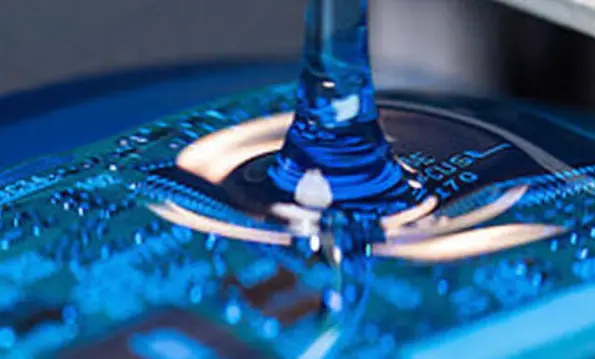
Will rubber allow a resin stick, or will surfaces resin repel it?
Natural rubber acts as a great defender against sticky spills. Most flexible rubbers will repel the liquid quite well. However, it is not always as foolproof as pure silicone. Sometimes, the heat of the reaction can cause a slight grip.
If a messy spill happens on a rubber mat, you might need a strong solvent to clean it up before it completely hardens. But generally, the natural flexibility of the rubber helps prevent adhesion from becoming a permanent disaster. You can usually just bend the mat, and the hard plastic flakes right off. It is a great way to ensure the surfaces resin touches stay clean and reusable.
Which specialized tapes and films act as a release agent for projects?
We use a massive amount of tape in our daily manufacturing. But you cannot just use any tape. Packing tape and sheathing tape (like the kind used in home construction) are excellent because they have a glossy, tight face. The resin doesn't stick to them.
Another top-tier option is Teflon tape, which is made from PTFE. Its incredibly low surface friction stops any chemical from grabbing it. You can also successfully use parchment paper. Standard baking parchment is essentially a porous paper substrate covered completely in a thin layer of silicone. Another handy, cheap trick is using freezer paper, which is heavily coated in plastic on one side. All of these give you a cheap, disposable way to protect your workspace.
| Material Type | Adhesion Level | Best Use Case |
|---|---|---|
| Wood | Very High | Permanent Bonding |
| HDPE Plastic | Very Low | Mixing Boards |
| Silicone | Zero | Reusable Molds |
| Parchment Paper | Very Low | Table Protection |
| Wax Paper | Very Low | Small Spills |
How does surface preparation dictate if you get poor adhesion?
Surface preparation dictates everything about your final result. Proper surface preparation gives the liquid a rough place to anchor securely. If you are working with porous materials like raw wood or concrete, it will stick well. But if the surface area has a hidden contaminant like machine oil or skin grease on it, you will immediately see a major problem.
Poor preparation means the dried material becomes very difficult to remove when you want it gone, or it fails to hold up when you need it to stay. Sometimes, you even need a special primer to force the resin to stick to tricky metals. Applying liquids onto dirty tables is a guaranteed recipe for failure. If you skip cleaning, the type of resin you use will not matter at all.
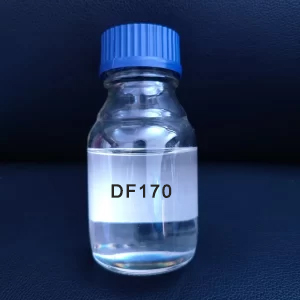
When should you use a dedicated release agent for resin casting?
Sometimes you need extra, guaranteed insurance against sticking. A commercial mold release spray or a liquid PVA (Polyvinyl Alcohol) wash is perfect here. When you use a dedicated release agent for resin casting, it acts as a safe, sacrificial layer between your project and the tool.
This is especially critical when you mix a large amount of resin at once. Too much resin sitting in a cup creates immense, dangerous heat as it hardens. This intense heat can actually melt soft plastics and force the glue to fuse directly to the mold. Carefully applying the resin over a well-lubricated barrier guarantees a completely safe demold. We always recommend this when working with complex Novolac Epoxy Resin pours that get very hot.
What materials make sure the epoxy resin not stick during daily use?
If you are building a custom wooden frame, you need to know exactly what to use with epoxy resin so the frame separates cleanly later. Materials that naturally fight the glue are your absolute best friends. Acrylic plastic panels can sometimes grab the glue if they get hot, but if you treat them with spray first, they work great as temporary walls.
Remember, a non-porous surface is always vastly better than a porous one when you want things to separate. Materials like rough timber will grab forever, acting like wood always does. But if you know how to prevent resin from finding those rough spots, you win. The goal is always to create a reliable surface that makes the liquid slide right off. For general coatings where you do want a strong bond, a standard Bisphenol A epoxy resin works beautifully, provided you prep the area correctly.
What are the key takeaways for ensuring successful resin projects?
To wrap things up, you must actively control exactly where your liquid travels. Applying resin safely requires a bit of smart planning. You want the polymer to anchor exactly where you need it and nowhere else. To avoid ruining your expensive tables, always use the right protective liners. Using resin successfully is simply about matching the right surface to the right chemical.
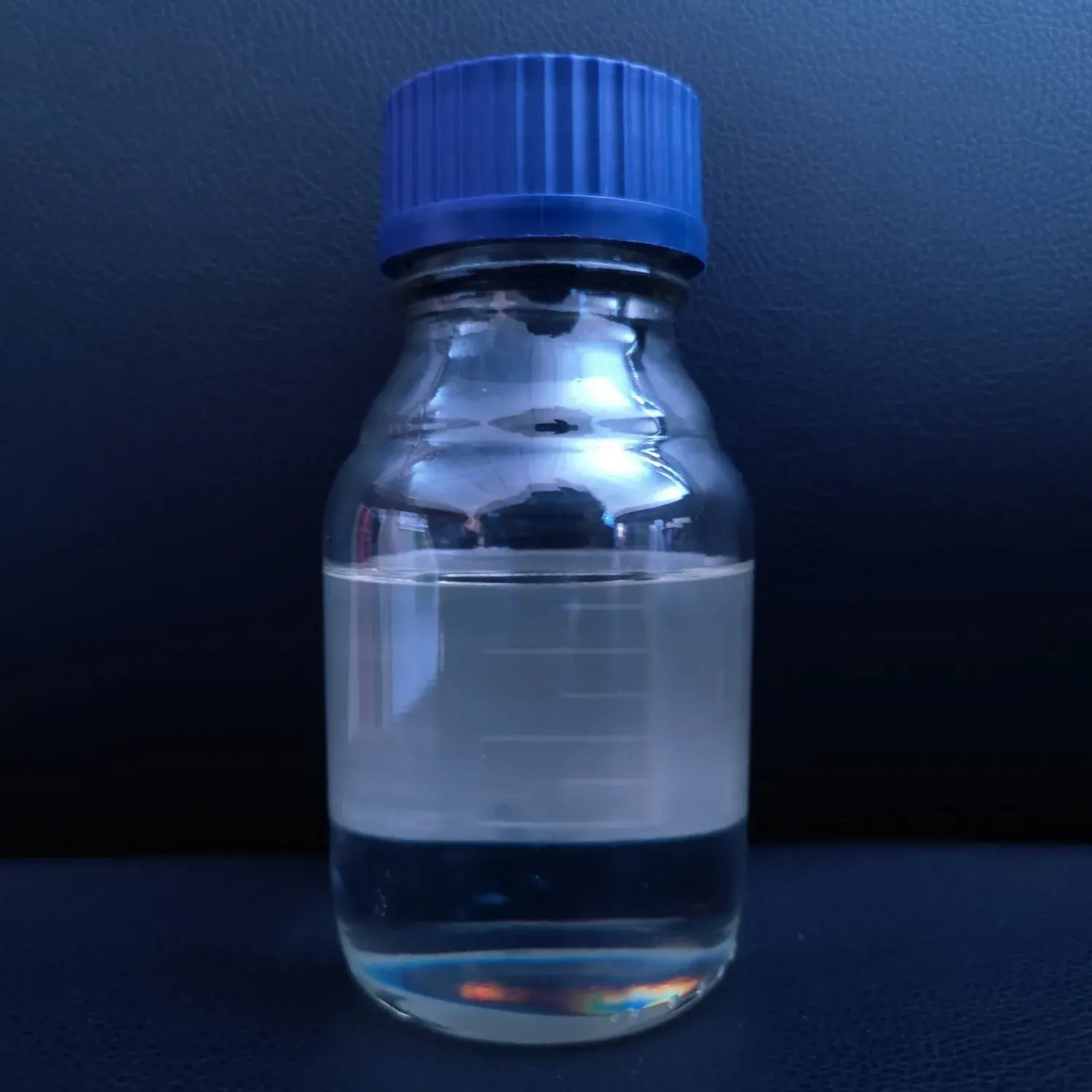
When we manufacture our heavy-duty DF170 Epoxy Resin, we constantly test its adhesion limits. We know exactly what will stick to resin and what will fail. Understanding these basic rules makes your daily work so much easier and far less stressful. You will never have to chisel a ruined project off your workbench again.
- Know Your Plastics: High-density plastics like HDPE and polypropylene reject glue naturally.
- Silicone is King: Use flexible silicone for molds because it is inherently non-stick and highly heat resistant.
- Tape it Up: Glossy packing tape and sheathing tape create instant, cheap non-stick barriers on wooden frames.
- Wax Works: Simple paste wax or even cheap candle rubbings prevent strong bonds on complex surfaces.
- Prep is Crucial: If you want a strong bond, clean the area well. If you want a clean release, use a proven release spray.
- Watch the Heat: Large pours generate massive heat, which can cause even "non-stick" surfaces to melt and fuse.
Post time: Jul-10-2026